
News
Winter Sports And Fashion Events 2026: Where Football Culture Meets Seasonal Style

Oct
Sports events and winter fashion are creating an interesting crossover where competitive spirit, cold-weather clothing, and fan culture all become sources of style inspiration. Coverage of the Milan 2026 Winter Olympics highlights this intersection, while a Vietnamese garment company was projected to reach more than VND 9.7 trillion in revenue, according to Người Quan Sát on March 25, 2026.
News Shows That Winter Sports Have Moved Beyond the Competition Arena
The Milan 2026 Winter Olympics have been described by Vietnamese media as a stage where sportswear, fashion, and national identity come together. This provides a useful starting point for understanding how cold-weather sports trends can influence football fan fashion and event apparel.
From Competition Uniforms to a Fashion Language
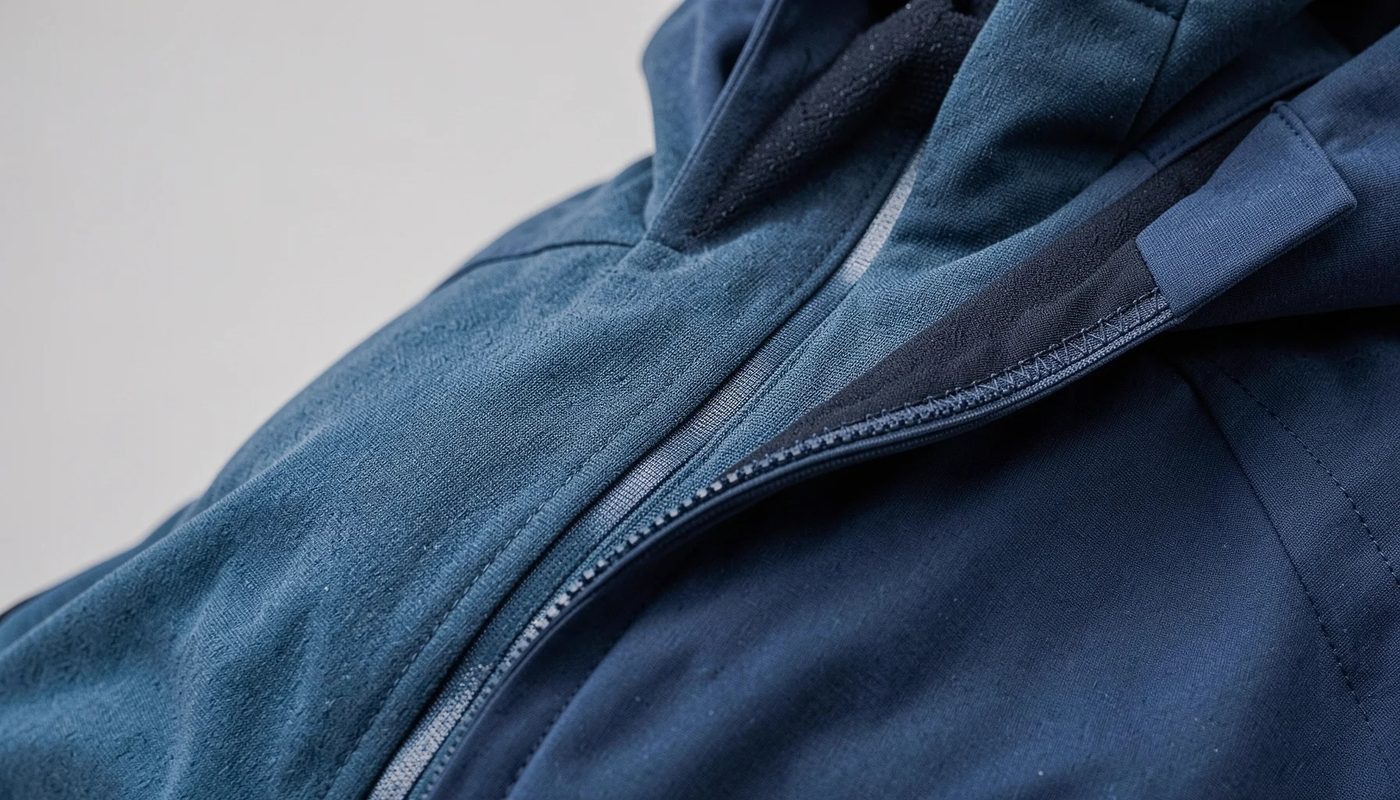
Coverage of the 2026 Winter Olympics shows that uniforms do more than identify athletes or meet the practical demands of competition. Colors, silhouettes, and layering can also communicate the identity of a team or country and capture the spirit of an event.
When these visuals are broadcast and widely shared, sportswear gains a life beyond the competition itself.
Tuổi Trẻ discussed how sports became a “fashion runway” through Olympic uniforms on February 1, 2026. Báo Đà Nẵng on February 9, 2026, and Mực Tím on February 7, 2026, also highlighted the fashion aspect of clothing seen in Milan.
These reports help place the trend within a specific context instead of treating “sporty luxury” as merely a marketing slogan.
In football, a similar mechanism is already familiar. Team colors, symbols, and fan merchandise allow supporters to express their connection to a club.
During colder seasons, patterned sweaters, scarves, jackets, and accessories can carry that fan spirit while remaining practical for everyday wear.
What Does the VND 9.7 Trillion Figure Tell Us — and What Doesn’t It Tell Us?
According to Người Quan Sát on March 25, 2026, a Vietnamese garment company expected revenue of more than VND 9.7 trillion, with potential benefits from supply chains and apparel demand associated with major sporting events.
This is a notable indicator of expectations within the garment industry, but it should not be interpreted as confirmed revenue already achieved or as a figure representing the entire industry.
The number also does not prove that winter football fashion is growing at a particular rate.
The available material does not provide a percentage increase compared with the previous period, a detailed product scope, or the share represented by individual order categories.
A careful interpretation is therefore that major sporting events may create opportunities for apparel supply chains rather than guaranteeing the success of any particular product or design.
For POD designers and content creators, the practical value lies in observing timing, consumer needs, and visual language to create relevant products.
A revenue forecast from one company should not be used as the sole basis for an investment decision.
Athletes as Style Icons
ELLE wrote about Eileen Gu, often referred to as the “Snow Princess,” on March 3, 2026, highlighting how she combines athletic achievement with fashion.
Her example demonstrates how the influence of an athlete can extend beyond competition. However, this does not mean product creators can freely use her name or image for commercial promotion.
A more appropriate lesson is to analyze the structure of the style: layering, balancing athletic silhouettes with fashion details, and using one accent color within an otherwise wearable outfit.
These principles can inspire winter-themed designs without copying an individual’s image, a national team uniform, or protected identifying elements.
Why Can Winter Olympic Trends Connect With Football Culture?
The Winter Olympics and football take place in very different competitive environments, but both use colors, symbols, and fan communities to create identity. The most promising crossover is not about copying uniforms—it is about bringing fan spirit into cold-weather clothing in a wearable and personal way.
The Connection Is Identity, Not the Sport Itself
A design combining winter sports with football culture should begin with one question: what does the wearer want to express?
The answer might be pride in a club, excitement about following a competition, enthusiasm for the holiday season, or simply an appreciation for sporty fashion.
Once the idea is clear, colors and graphics can support the concept instead of becoming a collection of unrelated visual details.
This approach helps distinguish competition apparel from fan clothing.
A winter sweater does not need to reproduce a football jersey or technical sports uniform. It can take inspiration from stadium energy, geometric patterns, contrasting colors, or seasonal imagery, provided the final design has its own identity and does not falsely suggest that it is an official product.
Kaiteez currently offers holiday sweaters inspired by selected football clubs, alongside T-shirts, hoodies, and accessories.
This illustrates how football culture can appear in cold-weather fashion and seasonal gifts.
However, each product should still be evaluated according to its description, image-use rights, and the information displayed when the shopper views it.
Learning Color Coordination From Event Apparel
Coverage of the 2026 Winter Olympics emphasizes uniforms as part of the event’s visual presentation.
For event-inspired designs, color blocking—using clearly defined areas of color—can create a strong visual effect without covering the entire product in graphics.
One primary color, one contrasting color, and one neutral shade are often enough to create a recognizable structure.
When combining this approach with football culture, designers can explore three directions:
- Team colors as accents: Use them on sleeves, collars, or small sections instead of turning the entire product into a jersey replica.
- Neutral base with statement graphics: Suitable for people who want to wear the design in different settings.
- Winter patterns combined with sports-inspired movement: Geometric shapes, motion lines, or snow-inspired symbols can be developed in an original visual language.
These are creative suggestions rather than descriptions of the exact colors used in any particular Olympic uniform.
If a design references a national team, competition, or football club, the rights to names, logos, and other identifying elements should be checked before commercialization.
Winners, Risks, and the Limits of the Trend
Fans may benefit from having more ways to express their identity beyond traditional jerseys.
Independent designers also have opportunities to experiment with crossover themes involving sports, holiday seasons, and local culture.
The garment industry may receive additional seasonal or event-related demand, but the actual benefit depends on orders, production capacity, and consumer spending.
On the other hand, designs that depend too heavily on one short-lived event may quickly lose relevance.
Unauthorized use of logos, club badges, athlete images, or competition symbols can also create legal and reputational risks.
A strong product concept should ideally remain wearable after the event has ended.
For this reason, prioritize ideas that can last beyond one news cycle: team spirit, fan culture, winter colors, or memories of watching football with friends.
These themes can remain meaningful longer than a slogan tied to a single match.
How to Style Winter Sports Fashion and Apply It in Vietnam
Winter sports fashion can be adapted to Vietnam’s climate and everyday routines by choosing appropriate layers, prioritizing flexibility, and putting practical needs ahead of appearance. Combining winter fashion with football culture should take into account the location, weather, and formality of the event.
A Layering Formula for Football Days
A winter sports-inspired outfit does not necessarily require several heavy layers.
Because temperatures vary significantly depending on region and time of year, clothing should be selected according to actual weather conditions rather than copying a complete outfit designed for snowy climates.
A comfortable base layer, one statement outer layer, and appropriate accessories are usually easier to adjust.
A practical process could look like this:
- Identify the setting: Determine whether you are watching the match at home, outdoors, or attending a crowded event.
- Choose a base layer: Prioritize a comfortable T-shirt or inner layer suitable for the expected amount of movement.
- Add an outer layer based on the weather: A hoodie or lightweight jacket may work well on cooler days. Avoid overly heavy clothing for indoor events.
- Choose one identifying detail: Use a color, scarf, or graphic that suggests fan spirit instead of combining multiple symbols at once.
- Check practicality: Consider pockets, freedom of movement, and whether the outer layer can easily be removed or added.
This formula allows the outfit to express personality without making it feel like an event uniform.
For football fans, a subtle accent can sometimes be more effective than a design covered entirely in symbols.
From Milan to Winter Festivals in Vietnam
Winter fashion is not limited to regions with snow.
In Vietnam, seasonal clothing can be relevant for travel, concerts, outdoor activities, and year-end festivals.
Tourism and event activities in locations such as Đà Nẵng and Khánh Hòa can create opportunities for attendees to choose themed clothing. However, the provided material does not include quantitative data about the size of the event-wear market in these areas.
For the wearer, the most important principle is to adapt to local weather conditions.
A heavy sweater may work for a trip to a colder destination but may not be ideal for a warm outdoor event.
Hoodies, lightweight jackets, or accessories can create a seasonal atmosphere while remaining more practical in mild weather.
For POD souvenir products, designs connected to a location or memory can create a sense of personalization.
However, original artwork should be clearly distinguished from official event, destination, or organizer branding.
Names and identifying elements should not be used in ways that could make customers believe a product is officially licensed when it is not.
Choosing a Design Direction Based on Intended Use
The following table compares different product directions according to their intended use and design requirements. It is a decision-making framework rather than a price list or revenue forecast.
| Product Direction | Suitable User or Occasion | Design Focus | What to Check |
|---|---|---|---|
| Holiday football fan sweater | Watching football, fan gatherings, seasonal gifts | Colors, winter patterns, club spirit | Rights to names, logos, and identifying symbols |
| Personalized sports hoodie | Everyday wear, travel, cooler weather | Wearable silhouette, one graphic focal point, layering | Climate suitability and print placement |
| Event-themed lightweight jacket | Outdoor activities or travel | Location identity, colors, compact details | Avoid creating the impression that it is an official uniform |
| Souvenir accessories | Gifts, travel memories, or match-day keepsakes | Short messages and recognizable imagery | Image rights and practical usefulness |
From Trend to Product: A POD Design Development Process
Effective sports-inspired POD designs should go through a process of identifying the intended user, choosing ideas with lasting relevance, checking content rights, and evaluating real-world wearability. Trends can inspire ideas, but they cannot replace demand validation or design-quality assessment.
Start With Customer Needs, Not Trending Images
Before creating a sketch, determine who the product is for and where it will be worn.
Someone watching football at home may prefer a comfortable hoodie. Someone attending an outdoor festival may need a lightweight layer. A souvenir collector may care more about the story connected to a place or season.
One design cannot be optimized for every situation at the same time.
Ideas can be evaluated using three categories:
- Practicality: Can the wearer continue using the product after match day?
- Recognition: Is the football or winter theme clear without becoming visually cluttered?
- Individuality: Does the product include original wording, a distinctive color palette, or unique graphic treatment?
If a design only has meaning while people remember a specific moment currently appearing in the news, its lifespan may be short.
By contrast, concepts built around friendship among fans, match-day excitement, or the holiday atmosphere may remain relevant beyond one particular event.
Six Steps From Sketch to Product Review
The following process can help creators developing POD ideas or preparing a small collection:
- Write a one-sentence creative brief: Identify the wearer, intended setting, and primary emotion behind the design.
- Create a limited color palette: Select a primary color, supporting color, and neutral shade. Avoid adding colors simply to imitate a particular uniform.
- Develop original symbols: Prioritize shapes, patterns, and wording you create yourself rather than copying existing logos.
- Choose the product based on function: T-shirts, hoodies, sweaters, and accessories serve different purposes.
- Review the artwork on the product: Evaluate scale, placement, and readability against the intended fabric background.
- Review content and usage rights: Check club names, competitions, athletes, images, and other identifying elements before offering the design commercially.
This is a design-thinking process rather than a guarantee about printing technology, materials, or delivery times.
Those specifications should be based on information from the selected manufacturer and individual product.
Following Trends Selectively With Kaiteez
Kaiteez’s available catalog includes T-shirts, hoodies, holiday sweaters, decorative items, and selected music- and sports-themed products.
Readers can use Kaiteez as a reference point for observing how pop-culture themes can appear across different product categories.
Browsing a product catalog, however, does not replace an independent assessment of content rights or suitability for individual needs.
With more than five years of experience analyzing and curating POD fashion trends, the Kaiteez Expert recommends evaluating a trend through three questions:
Does this theme suit the intended customer? Can the design still be worn after the event season? Are all identifying elements being used with the appropriate rights?
These three questions can help reduce the risks associated with chasing short-lived trends.
For the next purchasing decision, shoppers should choose products according to intended use, product descriptions, and actual conditions rather than buying something simply because a particular sporting event is receiving attention.
Designers should test ideas on a small scale, monitor meaningful feedback, and expand only after identifying a real customer group.
A revenue forecast from another company should never be treated as a guarantee that an individual POD design will succeed.
Frequently Asked Questions
Can 2026 Winter Olympic Fashion Trends Be Applied to Football Apparel?
Yes. They can inspire ideas such as contrasting color combinations, layered clothing, geometric patterns, and themes based on team spirit.
However, this does not mean designers should copy Olympic uniforms, football club logos, or athlete imagery.
A safer and more sustainable approach is to create original designs using a broader sports-inspired visual language and details suitable for everyday wear rather than imitating official apparel.
Does the VND 9.7 Trillion Revenue Figure Prove That the POD Market Is Growing Rapidly?
No.
According to Người Quan Sát on March 25, 2026, this figure represents the revenue a Vietnamese garment company expected to achieve through opportunities associated with supply chains and demand surrounding major sporting events.
It is not confirmed revenue, nor does it directly represent the POD industry or the winter fashion market.
The figure is better treated as industry context while demand for specific customer groups and products should be evaluated separately.
How Can I Design a Sports-Inspired POD Jacket Without Copyright Problems?
Prioritize illustrations, wording, and patterns that you create yourself.
Do not use logos, badges, competition names, athlete images, or other identifying elements belonging to football clubs or organizations unless you have verified the appropriate usage rights.
Simply changing the color or slightly modifying an existing logo does not automatically make it original.
If your design involves intellectual property owned by another party, review the relevant licensing requirements before selling it.
Is Winter Festival Fashion in 2026 Suitable for Vietnam’s Climate?
Yes, provided that products are selected according to the weather and location rather than directly copying clothing designed for snowy climates.
Hoodies, lightweight jackets, and accessories can provide a seasonal feel during cooler days or outdoor events.
In warmer conditions, heavy sweaters may be less practical.
Consider the duration of the event, whether it takes place indoors or outdoors, and whether the product can be incorporated into everyday outfits afterward.
>>>Enjoy shopping at Kaiteez
