
News
How to Care for Graphic T-Shirts: Keep Your Prints Vibrant and Looking New

Oct
Proper graphic T-shirt care starts with three essential practices: allowing the print to settle before the first wash, washing the shirt inside out in cold water, and avoiding high heat when drying or ironing. These steps help minimize friction, fading, peeling, and cracking, especially on shirts with large graphics or all-over prints.
Understanding Graphic T-Shirts and What Affects Print Durability
Graphic T-shirts may require different care from plain shirts because printed designs come into direct contact with water, detergent, and friction. Understanding these factors helps you choose an appropriate care routine rather than relying on ordinary washing habits.
How Are Printed Designs and Fabric Fibers Affected?
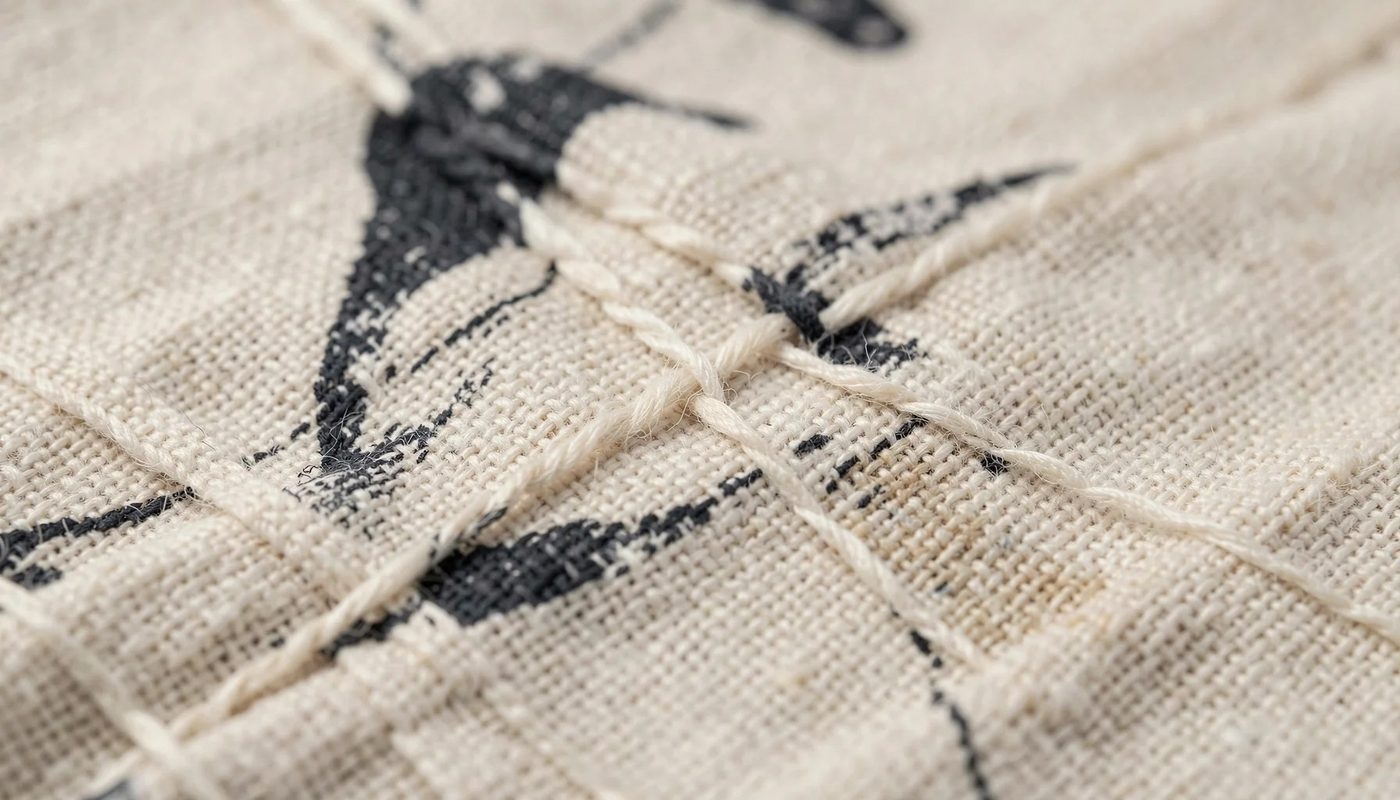
Graphic T-shirts feature designs applied to fabric using printing techniques such as heat transfer printing or direct-to-garment digital printing.
Depending on the product, artwork may cover a small section of the shirt or extend across a much larger area, as seen in All Over Print T-Shirts.
Each printing method has different surface characteristics and levels of exposure to friction, but all printed garments benefit from avoiding aggressive washing, wringing, and ironing.
During washing, clothing moves through water and may rub against the washing machine drum or other garments.
Repeated friction against the printed surface can increase the risk of fading, peeling, or cracking.
High temperatures can also cause problems. Hot water may stretch or affect fabric fibers and damage printed artwork.
This does not mean that every graphic T-shirt has the same construction or requires an entirely different care method.
A generally safer approach is to reduce heat, minimize friction, and avoid harsh chemicals.
Why Do Large Prints and Washed T-Shirts Need Special Attention?
Shirts with large printed areas, particularly all-over-print designs, have more printed surfaces that may come into contact when the garment is folded.
Deep creases or repeated folding over time can place concentrated pressure on the printed surface.
For this reason, after washing and drying, hanging the shirt may be preferable to folding it when the artwork covers a large area.
Washed T-Shirts, often called Washed Tees, have a pretreated color appearance.
Bleach or strong cleaning products may alter the garment’s original washed effect, even when used to remove a small stain.
Choose a mild, neutral detergent and clean the fabric gently.
Graphic T-shirts are also commonly worn for everyday activities, concerts, sporting events, or as gifts.
Designs inspired by bands, sports, and popular culture derive much of their visual appeal from both the artwork and the overall garment color.
Proper care helps maintain that original appearance.
Graphic T-Shirt Care Instructions and Recommended Washing Methods
The main care recommendations are to wait 3–5 days before the first wash, use cold water below 30°C (86°F), and avoid harsh cleaning products.
The following table summarizes recommended practices for each stage, from washing to storage.
Quick Reference: Graphic T-Shirt Care Checklist
| Care Stage | Recommended Practice | Purpose |
|---|---|---|
| Before the First Wash | Allow at least 3–5 days after receiving the shirt for the print to settle | Avoid washing before the printed design has had time to stabilize |
| First Wash | Use cold water without soap | Help preserve the print during the initial cleaning |
| Water Temperature | Keep below 30°C (86°F) | Reduce the risk of fabric stretching, print peeling, or cracking |
| Preparation | Turn the shirt inside out before washing | Minimize direct friction against the printed surface |
| Hand Washing | Wash gently without scrubbing the artwork | Reduce concentrated pressure on the print |
| Machine Washing | Use a gentle cycle and a laundry bag | Limit friction against the drum and other garments |
| Detergent | Choose a mild, neutral detergent; avoid bleach and harsh cleaning agents | Protect printed colors, fabric fibers, and the garment’s original appearance |
| Wringing and Drying | Avoid aggressive wringing; dry in a shaded, well-ventilated area | Reduce distortion and UV-related fading |
| Ironing | Turn inside out or cover the print with a thin cloth; use low heat | Prevent direct heat exposure to printed artwork |
| Storage | Hang shirts with large printed areas | Reduce prolonged creasing across the print |
How to Use This Checklist for Different Types of Shirts
This table provides general care guidance based on the characteristics of printed garments.
It does not replace product-specific care labels or manufacturer instructions.
If you are deciding between hand washing and machine washing, hand washing offers greater control over the amount of pressure applied to the fabric.
If machine washing is necessary, combine three precautions: turn the shirt inside out, place it in a laundry bag, and select a gentle cycle.
Each step addresses a different source of potential damage.
Cold water reduces heat exposure, while turning the shirt inside out and using a laundry bag help limit friction.
Mild detergent minimizes the effects of harsh chemicals, and drying in the shade reduces exposure to direct sunlight.
For better protection, these practices should be used together rather than relying on only one precaution.
Step-by-Step Guide: From Receiving Your T-Shirt to Storing It
An effective graphic T-shirt care routine begins when the shirt arrives, not when it enters the washing machine.
Allowing sufficient time before the first wash, preparing the garment correctly, and handling it gently throughout the cleaning process can help reduce common causes of print damage.
Steps 1–3: Preparing for the First Wash
Step 1: Let the shirt rest for at least 3–5 days.
Avoid washing the shirt immediately after receiving it.
This waiting period allows the printing ink time to settle on the fabric fibers before the garment is exposed to water.
Step 2: Prepare the first wash using cold water.
According to the care guidance, the first wash should be performed without soap.
Avoid hot water, bleach, or harsh cleaning products during this initial stage.
Step 3: Turn the shirt inside out.
This is a simple but important step for both hand washing and machine washing.
Turning the garment inside out reduces direct contact between the printed artwork and the washing machine drum, wash basin, or other clothing.
For shirts with large graphics, avoid twisting the fabric or scrubbing one area repeatedly.
Excessive pressure does not necessarily improve cleaning and may expose the printed surface to unnecessary stress.
Hand Washing vs. Machine Washing: Which Is Better?
Hand washing is the preferred option because it allows you to control friction and avoid scrubbing directly over the design.
Use cold water, clean gently, and avoid scraping or aggressively rubbing the printed surface.
When dealing with stains, avoid concentrating pressure on the artwork and limit the use of harsh cleaning agents.
If your schedule makes machine washing more convenient, follow these steps:
- Turn the shirt inside out.
- Place it inside a laundry bag.
- Select a gentle washing cycle.
- Use cold water below 30°C (86°F).
- Choose a mild, neutral detergent and avoid bleach or strong cleaning powders.
These precautions work together to reduce friction and chemical exposure.
There is no reliable basis for claiming that a fixed number of washes will necessarily damage a graphic T-shirt.
Durability depends on the care routine, wearing conditions, and specific characteristics of the product.
How to Dry, Iron, and Store Graphic T-Shirts
After washing, avoid wringing the shirt aggressively.
Twisting the fabric may distort its shape and place unnecessary pressure on the printed artwork.
Allow the garment to dry in a shaded, well-ventilated area.
Avoid exposing the print to direct sunlight, as ultraviolet radiation can contribute to fading.
If ironing is necessary, turn the shirt inside out first.
Alternatively, place a thin cloth over the printed area and iron at a low temperature.
Never press a hot iron directly against the printed design.
Once the shirt is completely dry, consider hanging it if the artwork covers a large area.
For All Over Print shirts, hanging can help prevent prolonged creases across extensive printed surfaces.
If drawer storage is necessary, avoid folding the shirt directly across the main artwork and do not place heavy items on top of it.
Common Graphic T-Shirt Care Mistakes, Solutions, and Expert Advice
Many graphic T-shirt care problems result from seemingly harmless habits, such as washing a shirt immediately after receiving it, using hot water, or drying it under intense sunlight.
Understanding these mistakes helps prevent repeated damage and supports better long-term garment care.
What Should You Do If You Accidentally Wash a Graphic T-Shirt Incorrectly?
If the shirt has already been washed using an aggressive cycle, avoid additional stress such as twisting, scrubbing the artwork, or applying a hot iron directly to the print.
Allow the shirt to air-dry naturally in a shaded, well-ventilated area.
Do not use bleach in an attempt to restore faded colors.
Strong bleaching agents may worsen discoloration, especially on garments with pretreated colors such as Washed Tees.
If the printed design begins to crack or peel, avoid pulling, scraping, or attempting to force the damaged section back into place.
The available care guidance does not establish a universal home-repair method suitable for every printing technology.
The safer approach is to stop applying pressure to the damaged area and contact the seller for instructions specific to that product.
Another common misconception is that prolonged exposure to strong sunlight is a harmless way to speed up drying.
In reality, direct sunlight may cause printed colors to fade.
Choose a ventilated, shaded drying location instead of increasing sun exposure.
Care Tips for Different Graphic T-Shirt Styles
Two-Sided Graphic T-Shirts
Turn the shirt inside out before washing and avoid washing conditions that cause excessive friction between the printed areas and other garments.
When drying, choose a well-ventilated location away from direct sunlight.
All Over Print T-Shirts
Prioritize hand washing or use a laundry bag with a gentle machine cycle.
Once dry, hang the shirt to minimize prolonged creasing across large printed areas.
Washed T-Shirts
Use mild, neutral detergent and avoid bleach or strong cleaning products.
Because the garment already has a treated color appearance, ordinary stain-removal techniques may alter the intended washed effect.
Concert and Event T-Shirts
A shirt worn to a concert or special event does not necessarily need to be washed immediately if cleaning is not required.
When washing is necessary, continue using cold water and gentle handling.
Avoid using high heat simply to make the garment dry faster.
The Kaiteez Expert Perspective on Graphic T-Shirt Care
With more than five years of experience analyzing and curating print-on-demand fashion products, the Kaiteez Expert recommends treating garment care as a consistent routine rather than a single trick.
Allowing time before the first wash, turning shirts inside out, controlling water temperature, choosing appropriate detergents, and drying correctly each play a separate role in maintaining printed clothing.
In 2026, shoppers should avoid relying on general claims about color-retention percentages unless specific testing data is available for the relevant fabric and printing method.
A more reliable approach is to follow established care principles and prioritize product-specific instructions when provided.
Band-themed shirts inspired by artists such as ScHoolboy Q, Pantera, and My Chemical Romance, as well as sports-inspired apparel featuring Liverpool FC, Fulham FC, or Seattle Seahawks themes, are often chosen as expressions of personal interests.
Proper care helps maintain the appearance of the printed designs, whether the shirts are worn casually, used for special events, or purchased as gifts.
At Kaiteez, product categories such as 2D Shirts, Washed Tees, Hawaiian Shirts, and sweaters have different characteristics.
Therefore, identify the garment type before selecting the most suitable washing method.
Frequently Asked Questions
Should You Wash a Graphic T-Shirt Immediately After Receiving It?
The care guidance recommends waiting at least 3–5 days after receiving the shirt to allow the printing ink to settle on the fabric.
For the first wash, it recommends using cold water without soap.
Afterward, continue washing the shirt inside out, avoiding hot water and harsh cleaning products to minimize damage to the artwork and garment color.
Always follow any product-specific care instructions when available.
Can You Wash Graphic T-Shirts in a Washing Machine?
Yes, machine washing is possible when necessary.
To reduce friction, turn the shirt inside out, place it in a laundry bag, and select a gentle cycle.
Use cold water below 30°C (86°F) and a mild, neutral detergent.
Avoid bleach and strong cleaning powders.
Hand washing remains the preferred option when you want greater control over the pressure applied to the garment.
Regardless of the washing method, do not scrub or rub the printed artwork aggressively.
Does Drying Graphic T-Shirts in Direct Sunlight Cause Fading?
Direct sunlight may contribute to printed ink fading because of ultraviolet radiation.
For this reason, dry shirts in a shaded, well-ventilated area and avoid prolonged direct sunlight exposure.
Do not twist or wring the garment aggressively before drying, as this may distort its shape and place unnecessary pressure on the print.
Once dry, hang the shirt if it has a large printed design.
Can You Iron Directly Over a Graphic T-Shirt Print?
No. Direct ironing over printed artwork is not recommended because heat may damage the design.
If ironing is necessary, turn the shirt inside out or place a thin cloth over the printed area and use a low temperature.
For shirts with large graphics, hanging them after drying may help prevent deep creases and reduce the need for ironing.
Avoid storing the garment folded directly across the printed design for extended periods.
>>>Enjoy shopping at Kaiteez
