
News
2026 Ugly Sweater Trend: 10 Standout Sweaters For The Holiday Season
Sep
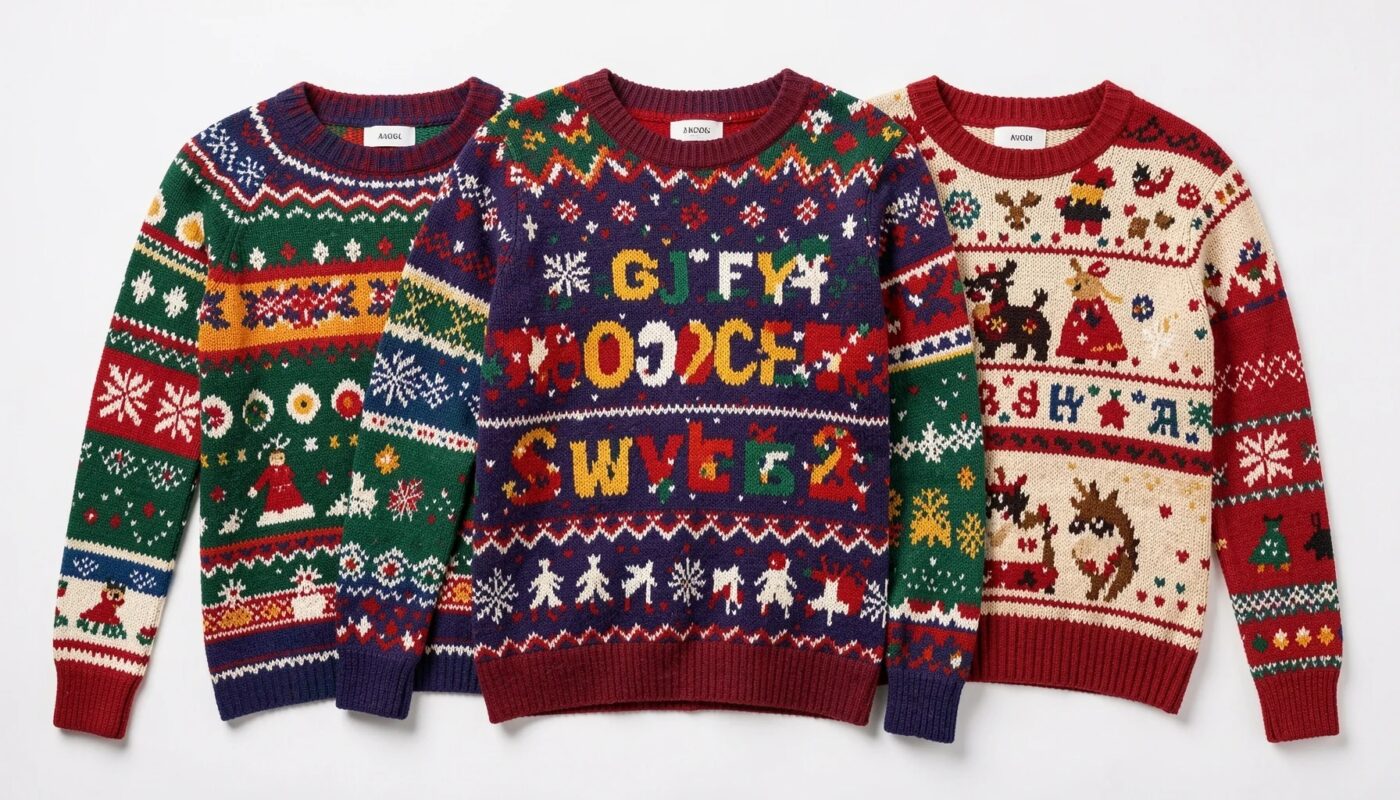
2026 Ugly Sweater Trend is shifting from intentionally over-the-top sweaters toward designs that are personalized, reusable, and built around a story of their own. The market analysis provided forecasts a 15–20% increase in searches starting in mid-October, 30% higher sales for DIY designs, and a search peak during the second week of December. This is a good time to develop ideas—not evidence of a newly confirmed breaking trend.
10 Designs That Could Shape the 2026 Ugly Sweater Trend
The ten design directions highlighted for the 2026 holiday season combine the playful spirit of the “ugly sweater” with personalization and more responsible material choices. These are creative style ideas based on the market summary provided, not a confirmed sales ranking.
From Classic Reindeer to Personalized Messages
The appeal of the “Ugly Sweater” comes from intentionally breaking conventional styling rules: the more colorful, unexpected, or unusual the sweater is, the easier it is to start a conversation at a holiday party. But in the 2026 holiday season, the difference may no longer be about how strange the sweater looks. Instead, it may be about the story and personal identity behind the design.
Here are 10 design ideas worth considering. They are creative suggestions, not predictions that all of them will become mainstream trends:
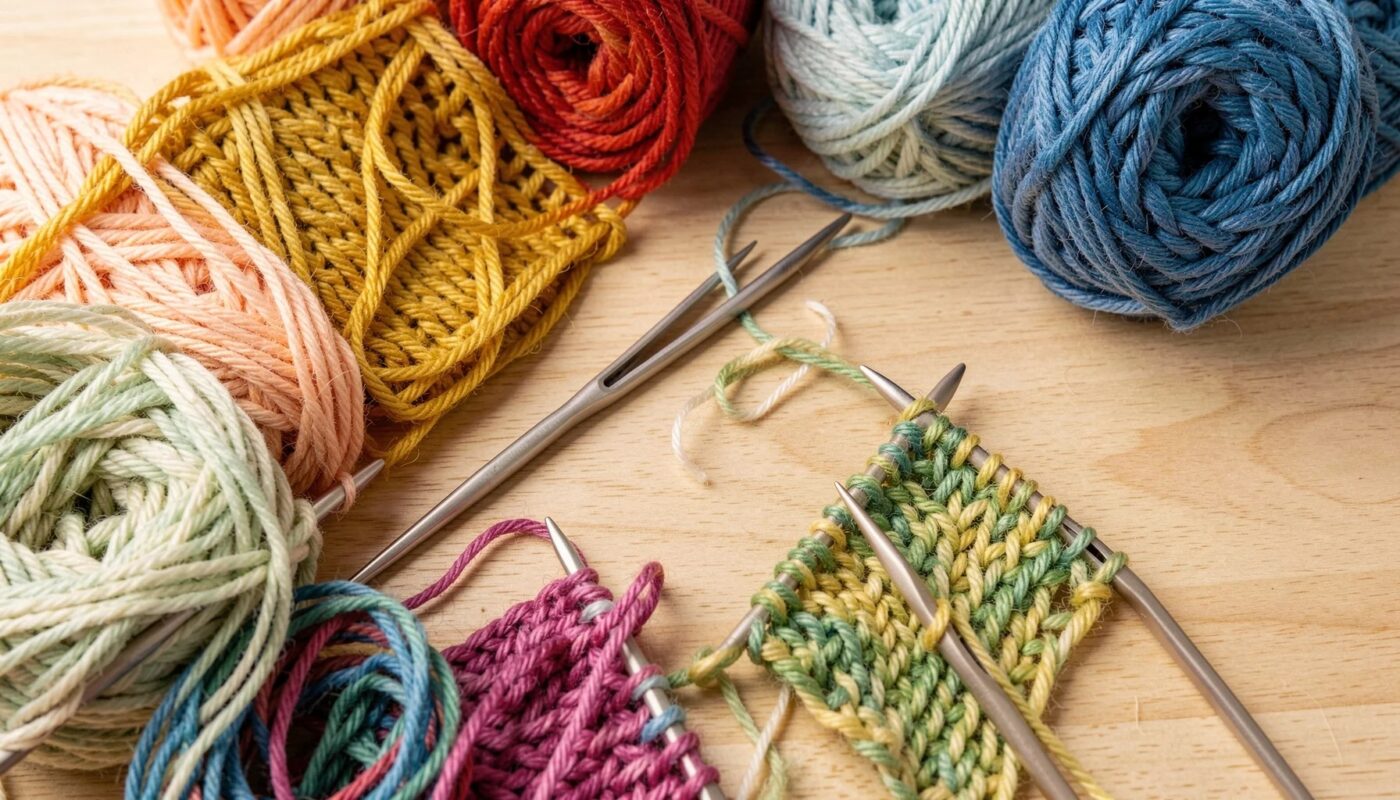
- Recycled Reindeer: A classic reindeer created using fabric scraps, leftover yarn, or reclaimed materials from old clothing.
- Minimalist Christmas Tree With an “Ugly” Twist: Start with a plain sweater and add an intentionally crooked tree, an oversized star, or an unexpectedly bold color combination.
- Family Story Sweater: Print or embroider personal symbols such as a pet, favorite food, or an inside joke understood only by family and friends.
- Office-Themed Sweater: Feature calendars, coffee cups, spreadsheets, or deadline jokes—funny enough for a holiday party while remaining suitable for a workplace setting.
- Holiday Food Patterns: Turn gingerbread, candy canes, Yule logs, or winter foods into playful graphic motifs.
- Local-Inspired Designs: Incorporate winter patterns, craft motifs, or familiar local symbols into a festive color palette.
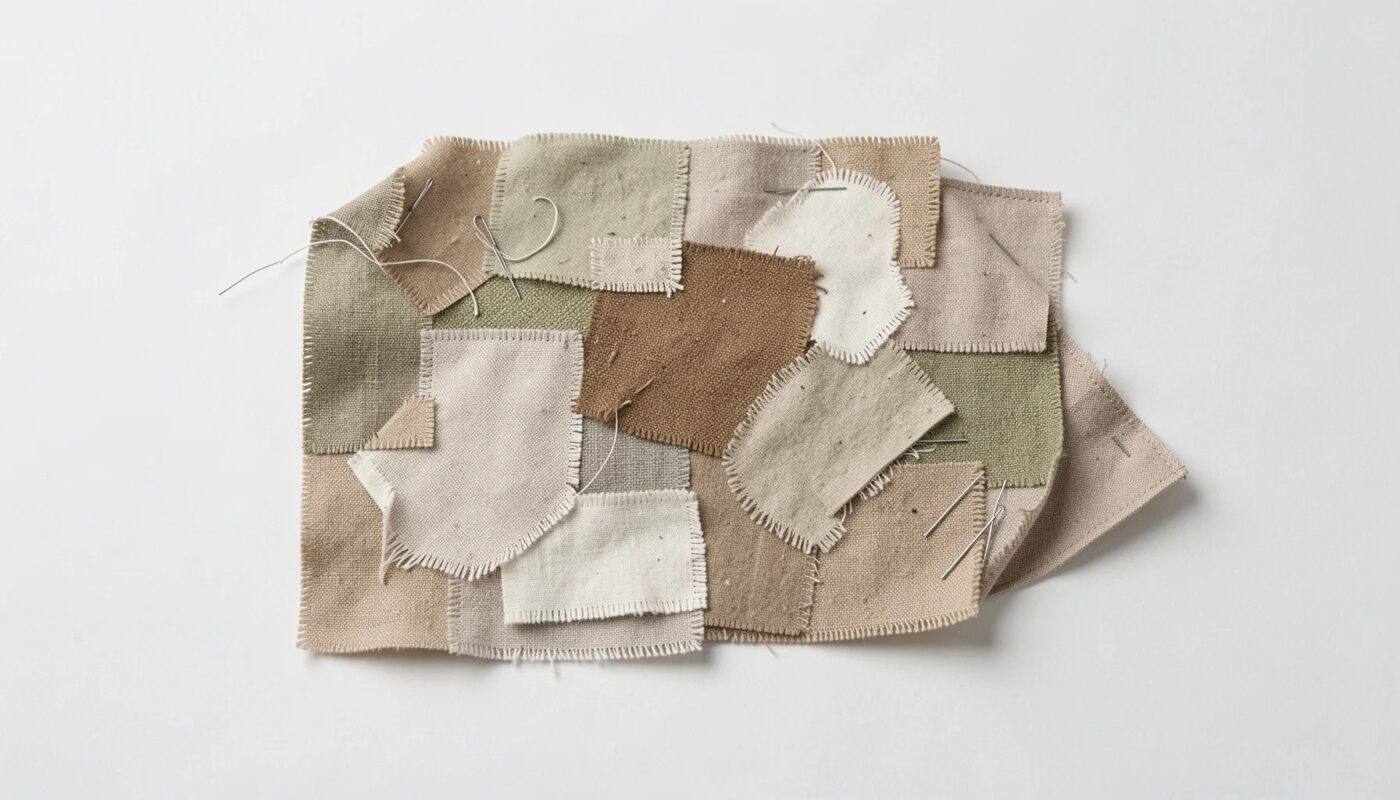
- Leftover-Fabric Patchwork Sweater: Combine usable fabric scraps into decorative shapes, creating an intentionally patchworked appearance instead of buying something new.
- Color-Driven Glow Effect: Create a bright, eye-catching appearance through contrasting color blocks without necessarily adding electronic accessories or bulky materials.
- Personalized Matching Group Sweaters: Keep a shared theme while giving each person an individual detail, making the concept suitable for friends, families, or coworkers.
- “Less but Weird” Design: Use one unexpected detail—such as a tiny reindeer hidden on a sleeve—instead of covering the entire sweater with decorations.
Why Do “Ugly” Sweaters Still Have Appeal?
The appeal of this trend is largely social. Formal clothing is often judged by how polished it looks; an Ugly Sweater invites people to laugh together, compare ideas, and share the story behind what they are wearing. That makes the style particularly effective for occasions where the main goal is connection rather than status or strict adherence to a dress code.
This also explains why DIY sweaters can have an advantage: the wearer is not simply selecting a product from a shelf but participating in the creative process. According to the figures in the market summary provided, DIY sweater sales on e-commerce platforms such as Etsy and Amazon increased by 30% compared with mass-produced designs. This figure should be treated as a reference point from the supplied source material, not as independently verified data for every market or platform.
Three Criteria for Choosing a Sweater Worth Wearing Again
To prevent the sweater from becoming a one-time purchase, evaluate the idea using three criteria:
- Can it be worn again? Prioritize designs that can work with trousers, skirts, or jackets already in your wardrobe.
- Can the details be removed or replaced? Detachable decorations make it easier to refresh the sweater next season and simplify care.
- Does it connect to the wearer? A personal joke or meaningful image often has more lasting appeal than a short-lived trend motif.
Why Is the 2026 Holiday Trend Leaning Toward Sustainability and Personalization?
One of the most notable forecasts in the supplied market summary is a shift from mass-produced sweaters toward “Sustainable Ugly Sweaters”—playful designs that emphasize reuse, repurposing, or personalization. This is a reasonable direction to watch, although its actual popularity will depend on sales data and consumer choices throughout the holiday season.
Reading the Market Numbers Correctly
The supplied information identifies three main indicators: search demand increasing by 15–20% from mid-October, DIY sweater sales increasing by 30%, and the global festive fashion market projected to grow at approximately 4.5% CAGR between 2024 and 2026. Search interest is also said to peak during the second week of December.
These figures can be useful for content planning and design preparation, but their scope matters. They do not indicate Ugly Sweater revenue specifically in Vietnam, guarantee that every store will experience similar growth, or prove that recycled materials have become the majority consumer choice.
| Market Data | Reported Figure | Practical Meaning | Cautious Application |
|---|---|---|---|
| “Ugly Christmas Sweater” searches | 15–20% increase from mid-October | Demand may begin appearing before December | Prepare ideas, content, and product options from October |
| DIY sweaters | 30% sales increase vs. industrial designs | Personalization may create differentiation | Test a design before committing to larger quantities |
| Global festive fashion | Approx. 4.5% CAGR, 2024–2026 | Moderate projected market growth | Do not treat this as a revenue guarantee for one product |
| Search peak | Second week of December | Interest may reach its highest point then | Avoid waiting until the last minute to plan or shop |
To verify and update these figures, it would be useful to check Pinterest Predicts, Google Trends, and sales data with clearly documented methodology. Vogue Business may provide context on sustainable fashion, while Reuters and Bloomberg often cover consumer spending and economic developments. Dân Trí and VnExpress can help place holiday-party trends within the Vietnamese market context. No specific links or articles were included in the supplied source material, so these publications should not be described as having confirmed breaking news within the past 24 hours.
“Sustainable” Is More Than a Marketing Label
A sweater does not automatically become sustainable simply because it uses green colors, Christmas-tree graphics, or is marketed as environmentally friendly. Its entire lifecycle matters: how often it will be worn, whether it can be repaired, whether the materials have a transparent origin, and whether decorative elements make reuse more difficult.
For shoppers, a practical approach may be to reuse an existing sweater, borrow one from friends, or buy secondhand and add removable decorations. For sellers and event organizers, it can make sense to avoid mass production before actual demand is known and to provide clear material information instead of relying on broad environmental claims.
Personalization Can Create More Value Than Buying New
Personalization does not necessarily require expensive equipment. You can start with a sketch, fabric scraps, a small printed graphic, or a humorous message. This approach fits particularly well with searches such as “How to Make a Unique Ugly Sweater 2026,” where readers are often looking for ideas that are easy to execute without buying an entirely new wardrobe.
Who Benefits—and Who Should Be Cautious—as the Trend Grows?
Ugly Sweaters can create value for wearers, event organizers, and content creators because they are easy to personalize, photograph, and turn into interactive activities. However, the trend can also encourage seasonal overconsumption if every holiday party becomes a reason to purchase another new sweater.
Benefits for Wearers and Event Organizers
Wearers have more freedom to express themselves when the expectation of looking “beautiful” or “perfect” is replaced by humor. For office parties, a shared theme can give coworkers an easy conversation starter without requiring elaborate outfits. For families or groups of friends, each person can create an individual version based on the same overall concept.
Event organizers can also turn clothing into an activity rather than simply making it a dress-code requirement. For example, they could organize a competition for the most creative recycled design, vote for the funniest story behind a sweater, or reward the person who creates a design using materials they already own. This shifts the focus from who bought the most eye-catching sweater to who tells the best story.
Risks for Shoppers, Retailers, and the Environment
The downside of a seasonal trend is the pressure to purchase quickly before an event. Waiting until the peak week may leave shoppers with fewer choices, less time to make alterations, or a need for rushed delivery. On the other hand, buying large quantities too early based only on a trend prediction increases the risk that products will not fit, suit the occasion, or be worn again.
Retailers and designers should also treat forecasts cautiously. A projected 4.5% growth rate for the global festive fashion market cannot be translated directly into equivalent growth for an individual store, country, or sweater category. Likewise, a 30% increase in DIY product sales does not reveal material costs, profit margins, or order volumes.
“Winning” Through Designs That Can Be Reused
From a Kaiteez perspective, the long-term opportunity may lie less in creating the most attention-grabbing sweater and more in creating designs that feel personal while remaining wearable beyond one occasion. For shoppers, this means considering how useful the sweater will be after the party. For brands, it creates an opportunity to explain the design process, material choices, and practical use of the product transparently rather than relying solely on a “sustainable” slogan.
How to Make, Style, and Prepare Before the Holiday Peak
A practical approach is to check what you already own first, develop the design concept second, and decide whether you actually need to purchase anything afterward. The supplied market summary forecasts search demand beginning to rise around mid-October and reaching a peak during the second week of December, so preparing early leaves more time to test, modify, and style a design.
How to Make a Unique Ugly Sweater in 2026: 5 Steps
- Choose a sweater you already own. Prioritize one that still fits comfortably and is sturdy enough for additional details. A plain sweater is easy to customize, but an older pattern can also become part of the concept.
- Choose a story. It could be an office joke, a pet, a holiday food, or a private symbol shared by your friend group. A clear idea is usually more effective than attaching many unrelated decorations.
- Sketch the decoration placement. Decide where the main feature will go—chest, sleeves, collar, or back. Photograph your sketch beside the sweater to assess the overall composition before starting.
- Use removable or repairable materials. Fabric scraps, removable sewn decorations, or lightweight ornaments can make future changes and storage easier. If you use printed graphics, follow the instructions for the specific material and printing method rather than assuming every sweater is compatible with the same process.
- Try it on and check it before the event. Make sure the sweater remains comfortable when sitting, moving, or wearing a jacket over it. Test care according to the garment’s instructions to see whether decorative elements peel, shrink, or fade.
At Kaiteez, a practical direction is to encourage readers to start with their personal style and choose a design that is manageable rather than implying that participating in the trend requires purchasing a new product. If you choose a printed or personalized product, check the description, materials, dimensions, and care instructions carefully before ordering.
Styling a Statement Sweater for Office Parties and Gatherings
A sweater with lots of visual details is already the centerpiece, so the remaining pieces can provide balance:
- Office party: Pair it with dark trousers, clean footwear, and a simple jacket. Choose a humorous theme while avoiding imagery that could be uncomfortable in a workplace.
- Friends’ gathering: Combine it with jeans, a simple skirt, or accessories in festive colors. If the sweater is highly colorful, keep the rest of the outfit relatively restrained.
- Outdoor event: Choose a comfortable base layer and weather-appropriate outerwear. Avoid bulky decorations in areas where they could interfere with bags, scarves, or straps.
- Photo-focused party: Choose one visual feature that can be recognized from a distance, but check that the colors will not disappear against the background.
When searching for “Best Ugly Sweater Designs for an Office Party,” start with the dress code, workplace culture, and formality of the event. “Best” does not necessarily mean the sweater with the most accessories. It may simply be the one that makes the wearer comfortable and approachable.
Preparation Timeline Based on Search Signals
If search behavior develops as indicated in the supplied data, shoppers can use the following timeline to avoid rushed decisions:
- Before mid-October: Check your existing wardrobe, agree on a theme if participating as a group, and establish a budget.
- Mid-October through November: Test sketches, create DIY samples, look for alternative materials, or place an order if a purchase is genuinely necessary.
- Early December: Complete decorative details, try the sweater on, and prepare the rest of the outfit.
- Second week of December: This is identified as the expected search peak in the supplied summary, so avoid leaving shopping, alterations, or accessory selection until the last minute.
Frequently Asked Questions
Ugly Sweaters in 2026 can be viewed as a playful holiday trend moving toward personalization and reuse rather than as a reason to automatically purchase something new. The questions below help readers evaluate designs, market data, and practical preparation.
What does the 2026 Ugly Sweater Trend mean?
The term refers to holiday sweaters in 2026 that embrace intentionally colorful, humorous, unusual, or unconventional designs. According to the supplied forecast, the emphasis may shift from traditional reindeer motifs toward personalization and repurposed materials. This remains a forecast rather than a confirmed market-wide result.
Should I buy a new sweater for a holiday party?
Not necessarily. Check your existing wardrobe, borrow from family or friends, or consider a secondhand sweater first. If you still need to buy one, prioritize a design that can be worn again after the holiday season and check the material, dimensions, and care information carefully.
Why are Ugly Sweaters becoming popular again?
Their appeal comes from a combination of humor, personal expression, and group participation. A sweater becomes a conversation starter at a party, while a DIY version allows the wearer to tell a personal story rather than simply choosing a mass-produced design.
When should I start preparing an Ugly Sweater for the holiday season?
You can begin checking your wardrobe and developing ideas before mid-October. The supplied market summary reports a 15–20% increase in search activity from that period and identifies the second week of December as the expected peak, so early preparation leaves time for testing and modifying a design.
Are the market figures in this article breaking news confirmed within the last 24 hours?
No. The article uses figures from the market summary provided, but no specific report or article links were included to independently verify that they were published or confirmed within the previous 24 hours. Readers should cross-check Pinterest Predicts, Google Trends, and relevant sources such as Vogue Business, Reuters, Bloomberg, Dân Trí, or VnExpress before using these figures for business decisions.
>>>Enjoy shopping at Kaiteez
